
Concrete Driveway Replacement • Athens, GA
Trusted Concrete Driveway Repair Service in
Athens, GA
A damaged driveway does not automatically need a complete tear-out, but it should not be covered with a quick patch before the cause is understood. Red Rhino Concrete provides professional concrete driveway repair in Athens, GA for localized cracks, failed joints, surface deterioration, broken edges, uneven transitions and selected damaged panels.
Our concrete team brings 10 years of experience from a home base in Auburn, GA. We assess the pattern, movement, drainage, base condition and surrounding features before explaining whether targeted repair, sectional replacement, resurfacing, sealing or full driveway replacement is the practical route.
The goal is an honest scope with realistic appearance and performance expectations. A repair may improve function, reduce water entry, remove a trip edge or extend useful service life, but it cannot make every old driveway look new or eliminate active movement beneath the concrete.
Decision
First Decide Whether the Damage Is Localized or System-Wide
Concrete repair works best when the damaged area is limited, the surrounding slab remains reasonably stable and the cause can be managed. Widespread movement, extensive map cracking, repeated patch failure or a failing base may make replacement more practical.
Often suitable for repair
Needs a closer site assessment
Replacement may be more practical
A localized non-moving crack
Several cracks with uncertain movement
Widespread interconnected cracking
An open or deteriorated joint
A vertical offset between panels
Multiple settled or heaved panels
A small spall or broken corner
Surface loss across a limited section
Severe deterioration across most of the driveway
One damaged panel
A low area with drainage concerns
Recurring pooling caused by overall grade/layout
A minor edge trip point
Roots or erosion near the damaged area
Repeated repairs that continue to fail
Important
Photographs help with the first conversation, but repair suitability should not be promised from one close-up image. The driveway, joints, edges, drainage path, garage transition and surrounding ground may all matter.
SYMPTOM
The Crack Is a Symptom; the Cause Determines the Repair
ACI repair guidance begins with condition assessment and determining the cause, severity and extent of deterioration before a method or material is selected. That principle matters on driveways because two similar-looking cracks can behave differently.
Drying or shrinkage movement:
A narrow crack may remain relatively stable, but its location, depth and exposure still influence the appropriate treatment.
Joint movement:
A failed or missing joint seal can admit water and debris. The joint may need cleaning and a flexible material rather than a rigid patch.
Base loss or settlement:
Water, erosion, poor compaction or disturbed fill can allow a panel to move. Filling the visible crack alone does not rebuild support.
Clay moisture changes:
Clay-rich ground can change volume as moisture conditions change. Drainage and surrounding soil conditions should be part of the assessment.
Tree roots:
Roots can lift, displace or undermine driveway sections. Repair planning may require landscape or arborist input.
Loads and edge stress:
Heavy vehicles, repeated turning or unsupported edges can contribute to cracks and broken corners.
Targeted Driveway Repair Options
The correct method depends on the defect and on the services Red Rhino Concrete confirms it provides. The published page should name only verified capabilities.
Crack cleaning and sealing
Loose material is removed and the crack is prepared for a compatible repair or sealant. The finished line may remain visible, and active movement can affect future performance.
Joint repair or resealing
Deteriorated material and debris are removed so the joint can continue to function. Flexible joint materials are different from rigid surface patches.
Localized patching
Small holes, edge loss and selected spalls may be rebuilt after unsound concrete is removed and the substrate is prepared.
Partial-depth surface repair
A localized deteriorated layer may be removed and replaced when the concrete below is suitable. It is not a cure for a moving slab or failed base.
Grinding a minor vertical edge
Grinding may reduce a limited trip edge when the remaining section and slope allow it. It does not stabilize a sinking or heaving panel.
Temporary access
One or more failed panels can beremoved and rebuilt when the rest of the driveway remains serviceable. New concrete will normally differ in colour and age from the existing driveway.
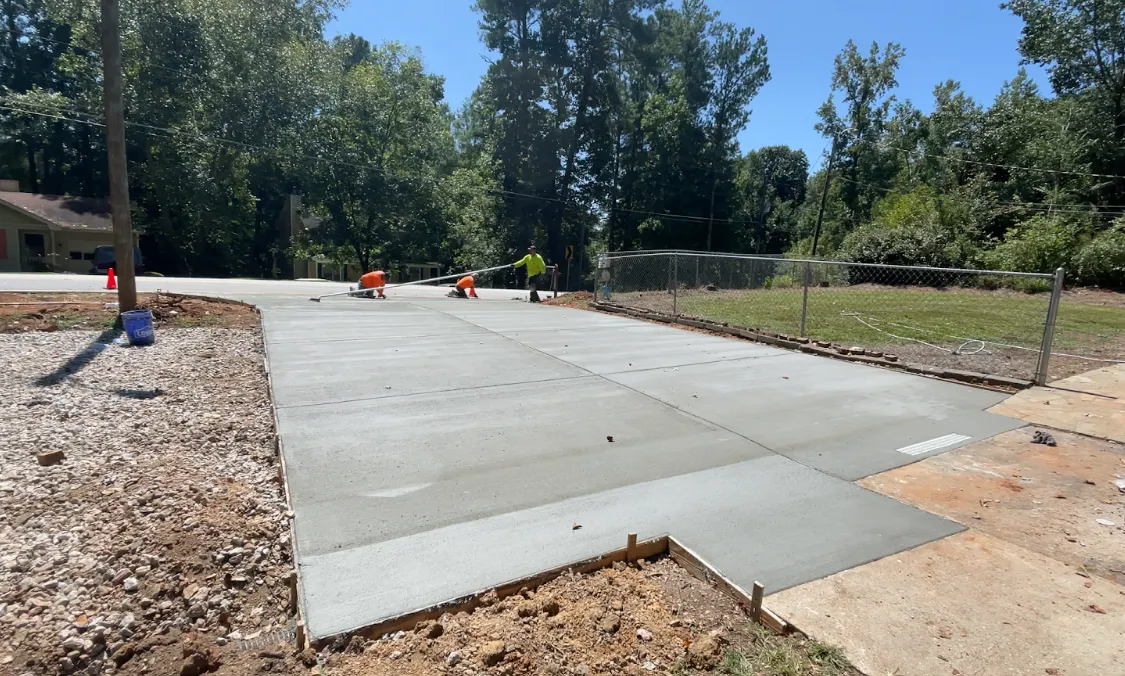
Concrete Driveway Crack and Joint Repair
Cracks should be evaluated for width, pattern, vertical displacement, contamination, water exposure and evidence of continued movement. A narrow line with no height difference is different from a crack where one side has settled or heaved.
Preparation commonly matters as much as the visible material. Dust, loose concrete, moisture, old filler and weak edges can interfere with bond or sealant performance. The selected product should suit the crack or joint function and the manufacturer’s installation conditions.
A repaired crack may remain visible because the repair material, texture and colour differ from the original concrete. It can also move again when the underlying cause remains active. The written scope should therefore describe the repair objective: water/debris control, edge rebuilding, movement accommodation, trip reduction or structural restoration where applicable.
Structural or unusual cracking near a garage, foundation, retaining wall or other building element may require review by the appropriate licensed professional rather than a routine driveway patch.
Uneven Panels, Settlement and Trip Hazards
A height difference can result from settlement, heaving, roots, erosion or movement at the garage and apron transitions. The repair should address both the visible edge and the reason it developed.
Minor isolated edgE
Grinding may reduce the transition when enough sound concrete remains and the resulting slope is acceptable.
Joint repair or resealing
One failed panel: Sectional removal and replacement may preserve the rest of the driveway while correcting the affected area and base.
Loss of support
The plan may require removal, base correction and replacement rather than a surface patch.
Multiple moving panels
Full replacement or a specialized stabilization assessment may be more practical than repeated local repairs.
Apron or public right of way
Confirm local requirements before work begins.
Why Damage Can Return in Conditions in Georgia
Repairs are more likely to disappoint when the visible defect is treated but the site condition remains unchanged. Properties in Northeast Georgia can have clay-rich soils, heavy rainfall, roof runoff, sloped lots, tree roots and driveway edges that lose support.
Drainage:
Downspouts, low areas and runoff can carry water toward joints and edges or erode support.
Red clay and disturbed fill:
Moisture changes and inconsistent support can contribute to movement.
Tree roots:
Growing or decaying roots can lift concrete or leave voids.
Garage and apron transitions:
Different slabs and support conditions may move independently.
Vehicle use:
Heavy vehicles, sharp turning and repeated edge loading can stress already weakened concrete.
Repair, Resurface, Seal or Replace?
Option
Best fit
Does not solve
Targeted repair
Localized crack, joint, patch, edge or panel damage with serviceable surrounding concrete
Widespread base failure or movement across most of the driveway
Resurfacing / overlay
A prepared, stable surface that meets the selected system requirements
Major settlement, active wide cracks or weak unsound concrete below
Driveway sealer
A sound or suitably repaired driveway needing a compatible protective treatment
Cracks, spalls, settlement or drainage failure
Sectional replacement
One or several failed panels while the remaining driveway is serviceable
System-wide layout, drainage or base failure
Full replacement
Widespread cracking, repeated repairs, multiple moving panels or major layout/drainage problems
Not always necessary for one localized defect
Pricing Factors
What Changes the Cost of Driveway Repair?
Repair pricing depends on the diagnosis, preparation and access—not only the visible length of a crack. A low online price may exclude the work needed to remove unsound material, protect adjacent surfaces or correct a failed section.
Damage type and extent
A clean joint, a deep spall, a broken corner and a settled panel require different labour and materials.
Cause and movement
Drainage, roots, erosion or continuing settlement can change the recommended scope.
Preparation
Saw cutting, removal, grinding, cleaning and substrate preparation affect the work.
Repair material or system
Products have different application, temperature, moisture and cure requirements.
Access and protection
Garage access, landscaping, walls, gates and occupied homes can affect setup.
Colour and finish expectations
Decorative or highly visible repairs may require samples or broader treatment.
Traffic closure and curing
Vehicle access may need to be restricted for a product- or concrete-specific period.
Permit or apron coordination
Public right-of-way work can involve separate requirements.
Full Journey
How a Driveway Repair Project Moves Forward

Send the condition
Share photographs, location, defect type and any drainage, root, load or previous repair history.

Review the complete area
The driveway, joints, garage, apron, edges, grade and surrounding ground are assessed—not only the closest crack.

Identify the likely cause and extent
We distinguish a localized defect from broader settlement, base loss or surface deterioration.

Choose the practical route
The recommendation may be crack/joint work, patching, a sectional repair, resurfacing, sealing after repair, full replacement or specialist review.

Confirm scope and limitations
The written quote states preparation, repair area, material/system, cleanup, access timing, appearance expectations and exclusions.

Complete preparation and repair
Unsound material is removed or prepared and the verified repair method is applied under suitable conditions.
Expectations
Proof Should Show the Defect, Preparation and Honest Result
Red Rhino Concrete brings 10 years of experience, honest quotes and tidy worksite standards to repair projects. Before publication, insert the exact credential and any verified licence, insurance, warranty or review details
Before and after photographs
Show the driveway from the same angle, plus preparation and the repaired area.
Diagnosis summary
Explain what caused or contributed to the damage and why the method was selected.
Scope boundaries
State what was repaired, what remained and what appearance differences were expected.
Genuine customer feedback
Use only reviews with a source and permission.
Follow-up evidence
Where available, show how the repaired area performed after normal use.

Service Areas
Driveway Repair Across the Approved Coverage Area
Red Rhino Concrete is based in Auburn, GA and provides driveway repair in the priority market in Athens, GA and throughout approved communities in Northeast Georgia. Each city page should contain genuine local project evidence rather than duplicated copy.
Athens
Auburn
Bethlehem
Watkinsville
Buford
Loganville
Snellville
Dacula
Lawrenceville
Winder
Bogart
Suwanee
Monroe
Statham
Braselton
Jefferson
Questions Homeowners Ask About Driveway Repair
Can concrete driveway cracks be repaired permanently?
A repair can clean, fill, seal or rebuild a crack area, but no responsible contractor should promise that an active crack will never move or reappear. The cause, movement, depth, drainage and surrounding slab condition matter. The quote should describe the goal and the visible limitations of the chosen method.
Should I repair or replace my concrete driveway?
Repair may fit localized damage when the surrounding concrete remains stable. Replacement is more likely when cracks are widespread, multiple panels have moved, the base is failing, drainage is wrong or earlier repairs repeatedly fail. A site assessment should compare current function, remaining condition and total scope.
Can a sunken driveway slab be repaired?
A sunken slab needs assessment of the amount of movement and the cause. Options may include specialized lifting, grinding a minor edge, sectional removal and replacement, or full replacement. Red Clay should advertise lifting only if the exact method is verified; otherwise the quote should explain the available repair or referral route.
Can spalling or pitting be patched?
Localized spalls and pits may be repairable after unsound concrete is removed and the remaining substrate is prepared. Widespread deterioration, ongoing moisture, weak concrete or movement below the surface can limit patch or overlay performance. Colour and texture differences should be expected and discussed before work.
Will repaired concrete match the existing driveway?
A perfect colour or texture match should not be promised. New repair materials and concrete are usually cleaner and lighter, while the old driveway has aged and weathered. The difference may soften over time, but real samples and project photographs provide a more honest expectation than a guaranteed invisible repair.
How long before I can drive on repaired concrete?
Access time depends on the repair material, repair depth, temperature, moisture, concrete mix and manufacturer or project requirements. A sealant repair, patch and new replacement panel may have different timelines. Follow the written project-specific instructions instead of a universal online number.
Does driveway sealer repair cracks?
Sealer is a protective treatment, not a structural or movement repair. Cracks, open joints, spalls and unstable areas should be assessed and treated before sealing. The sealer page explains suitable surface condition, preparation and product type after repairs have cured as required.
Can one driveway panel be replaced?
Sectional replacement can be practical when one or a few panels have failed and the rest of the driveway remains serviceable. The contractor should review the base, joints, drainage and connection to adjacent panels. New concrete will normally look different from the older driveway.
Do driveway repairs need a permit in Athens, GA?
Work on the driveway apron in the public right of way has a published Athens-Clarke County process. Requirements can differ when dimensions or location change. Interior repairs may have different review needs. Confirm the current scope with the official department before scheduling work.
What should I send for a driveway repair quote?
Send the address, wide-angle and close-up photographs, approximate dimensions, when the damage appeared, whether it changes after rain or seasons, vehicle use, drainage or root concerns and any previous repairs. This helps identify whether a site visit, repair quote, replacement quote or specialist review is the next step.
Get a Clear Recommendation
Get an Honest Assessment Before Covering the Damage
Choose Red Rhino Concrete when you need concrete driveway repair in Athens, GA and a practical explanation of what can be repaired, what may remain visible and when replacement is the stronger option. Our experienced team is based in Auburn, GA and serves approved communities in Northeast Georgia.
Call : 7709908178, E-mail: redrhinoconcrete@gmail.com or submit the quote form with the address, photographs, approximate dimensions and project goal.
Free Project Discussion
Request an Honest Quote